
Keeping Girls In School Project (Copy)
Written by Janet Kakigozi, Social Worker at Victory Child Care Project
INTRODUCTION
The Keeping Girls in School Project was established to support girls education in Kira Municipality by improving menstrual hygiene management and addressing the challenges girls face during menstruation.
Many girls struggle with limited access to sanitary products, poor sanitation facilities, lack of privacy, and social stigma, which make it difficult for them to manage their periods safely and with dignity.
These challenges often result in absenteeism, poor concentration, and lower academic performance.
The project therefore seeks to create a supportive school environment through awareness, open discussion, practical support, and girl-friendly facilities, so that menstruation does not prevent girls from learning, staying in school, and achieving their full potential.
PROJECT OBJECTIVES
To promote effective menstrual hygiene management among girls in Primary Education schools in Kira Municipality.
To reduce absenteeism and dropout rates among girls caused by menstrual-related challenges.
To improve girls’ access to a supportive school environment that encourages regular attendance and participation in education.

DISTRIBUTION SUMMARY
In April 2026, the Victory Child Care Project team conducted a series of visits to nine Universal Primary Education (UPE) schools in Kira Municipality to implement the “Keeping Girls in School Project” 2026/2027. The target group consisted of girls in Primary Six and Primary Seven.
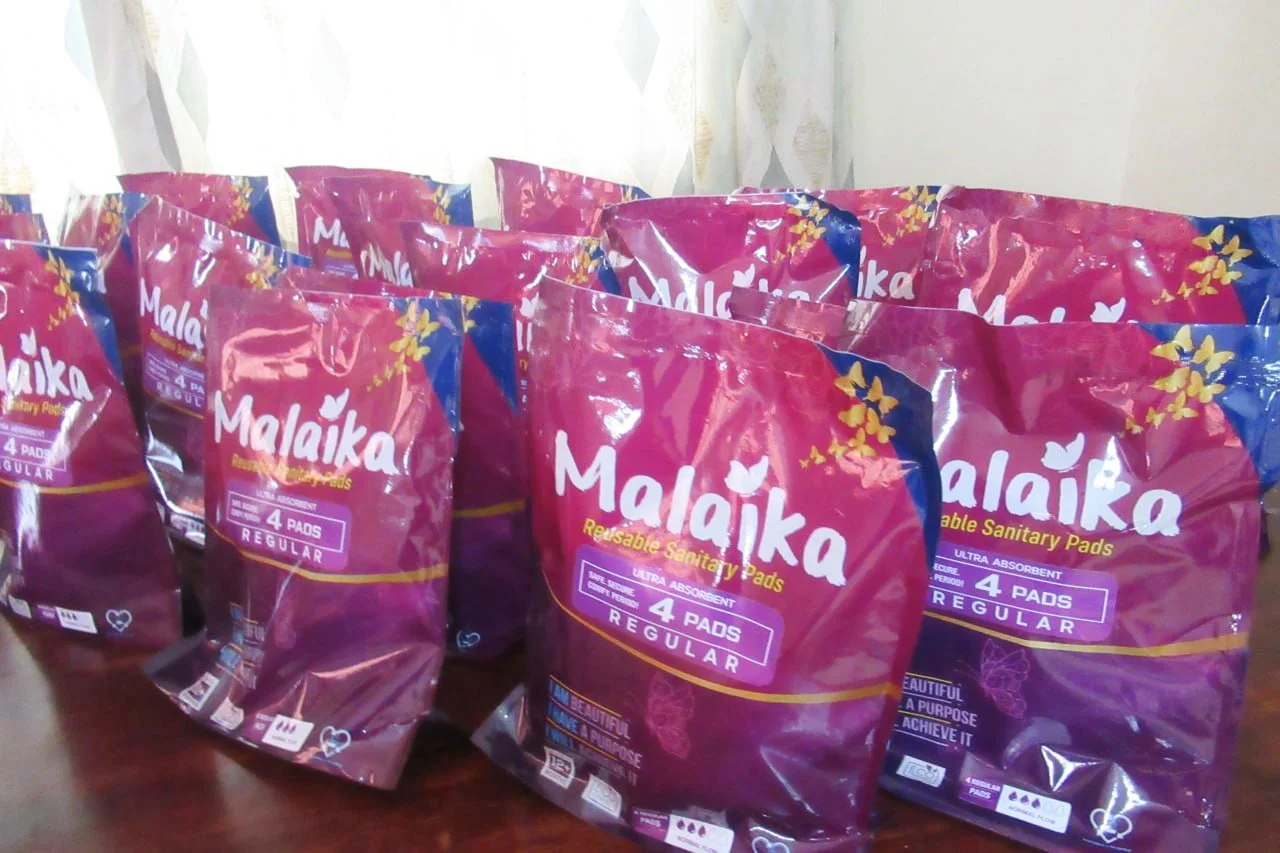
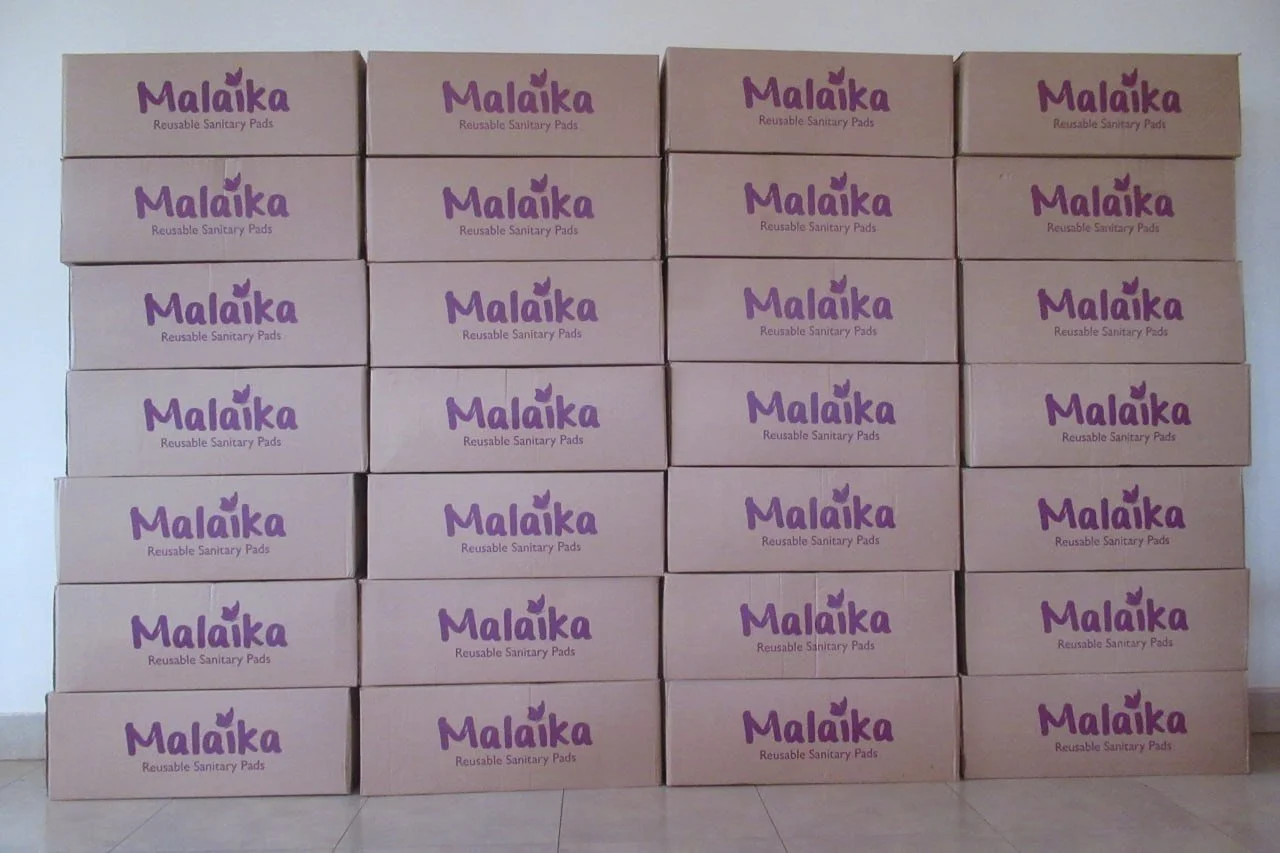
A total of 614 girls, along with 09 senior women teachers each received a hygiene kit comprising four reusable pads, a storage bag and underwear.
TRAINING
The training sessions began with an introduction to menstruation, aimed at helping girls understand that menstruation is a normal and healthy part of growing up. The session
emphasised that, when managed properly, menstruation should not prevent girls from attending school or participating in daily activities.
Key menstrual hygiene management practices were thoroughly explained, including the importance of regular bathing, proper washing of reusable pads, frequent changing of menstrual materials, washing hands before and after changing pads and proper tracking of menstrual cycle days.
Girls were also given the opportunity to engage in open discussions, sharing how they manage menstruation, the type of menstrual materials they use, the challenges they face, and to ask questions related to menstruation.
Following the discussion, the girls received practical training on how to correctly use, wash and safely store reusable menstrual pads.

FEEDBACK FROM TRAINING
During the discussions with the girls, challenges were noted, and proposed solutions identified.
CHALLENGES
Financial constraints Girls from vulnerable families have limited or no access to quality menstrual products of sanitary towels and knickers.
Menstrual pains Including abdominal cramps, headaches and fatigue often forces girls to stay home leading to missed school days.
Fear of leakage and social embarrassment This contributes to reduced self-esteem and social withdrawal, especially in school environments.
Inadequate school facilities Like private toilets, water and soap which hinders safe and dignified menstrual management.
Stigma and cultural myths These perpetuate shame, teasing and misinformation, discouraging girls from seeking support and engaging in open discussions.
Use of rough and inappropriate menstrual materials Girls using these feel discomfort, get infections and skin rashes.
PROPOSED SOLUTIONS
Encouraged openness by sharing menstrual experiences with responsible individuals or trusted caregivers.
Seek medical assistance promptly when experiencing serious issues such as abnormal pain or missed periods.
Adopt healthy lifestyle practices, including maintaining a balanced diet, engaging in regular exercise and drinking plenty of water to keep the body healthy and fit.
Avoiding use of unclean, rough and damp menstruation materials and underwear, as these can cause infections and discomfort

ANALYSIS
The project successfully bridged gaps by providing both essential menstrual hygiene products and comprehensive sensitisation and awareness, empowering girls to manage menstruation confidently.
Additionally, some girls had never received adequate information about menstrual hygiene education, while others still had fears and uncertainties about how to manage menstruation effectively.
The head teachers and senior women stressed the importance of training girls in upper classes to make reusable sanitary pads, saying; practical skill can be passed on to younger girls before they complete primary school and offering a sustainable long-term solution that can help reduce dropout rates among girls.

NEXT STEPS
1. Follow-ups and monitoring visits to assess the impact, reinforcing the outcomes, and ensuring the sustainability of the intervention at the various beneficiary schools.
2. Assessing the quality of Malaika pads by engaging with girls to gather their experiences after receiving and using sanitary pads. Victory Child Care Project opted to use Malaika reusable sanitary pads for the current project implementation as this followed a comprehensive review of Afri-pads distributed in 2025.
3. Work closely with senior women teachers, Primary 6 and Primary 7 class teachers to collect data on girls enrollment and their academic performance in the previous and current year (Term one to Term three). This is to establish a baseline of the situation before and after the project implementation to help assess the impact of the project on girls’ retention after implementation.
4. Obtain feedback from senior women teachers to evaluate the application and impact of the training provided on Menstrual Hygiene Management.

CONCLUSION
In conclusion, the Keeping Girls in School Project has made a meaningful contribution to promoting girls’ education, confidence and retention in school. By addressing the challenges that often hinder girls’ full participation in learning, the program has helped create a more supportive and conducive school environment where girls can remain in school and pursue their academic goals with greater confidence.
In particular, the initiative has played a vital role in promoting effective menstrual hygiene management among girls, which is essential for their comfort, dignity and help to reduce absenteeism and dropout rates caused by menstrual-related challenges.
A big thank you to everyone who has contributed to this cause.